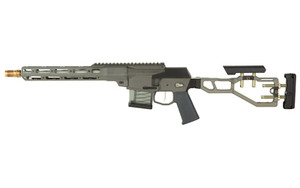
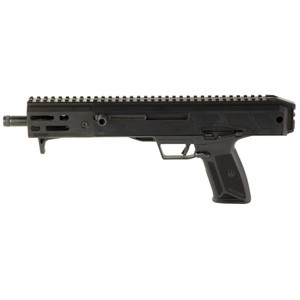
Choosing the Right Short Barrel Rifle
Select a short barrel rifle based on intended role, caliber, and accessory requirements.
Home defense SBRs. Short barrel rifles excel in close-quarters environments where maneuverability matters. Compact length, fast target acquisition, and compatibility with lights and optics make SBR rifles effective for home protection.
Professional and duty use. Law enforcement and security professionals favor SBRs for their balance of rifle ballistics and compact handling. Shorter overall length allows easier movement through doorways, vehicles, and tight spaces.
Suppressor-ready builds. Many shooters pair short barrel rifles with suppressors to reduce sound signature and muzzle flash. Look for threaded barrels and compatible gas systems when planning a suppressed SBR setup.
Range and training rifles. SBRs offer a responsive platform for close-range drills and skill development. Their compact size makes them easy to transport and maneuver during dynamic shooting exercises.
Consider caliber, barrel length, stock configuration, and rail space for accessories. The best short barrel rifle balances compactness, reliability, and the features needed for your intended application.
Short Barrel Rifles FAQ – Your Guide to Buying Online
What is a short barrel rifle?
A short barrel rifle, or SBR, is a rifle with a barrel length under 16 inches or an overall length under 26 inches. These compact firearms are regulated under the National Firearms Act and require ATF approval and registration before transfer.
What is an SBR rifle used for?
SBR rifles are used for home defense, professional duty applications, suppressed builds, and close-quarters training. Their compact size makes them easier to handle in confined spaces compared to full-length rifles.
Are short barrel rifles legal?
Yes, in most states. SBRs are legal to own but require ATF approval and registration as NFA items. Some states have additional restrictions, so check your local laws before purchasing.
What is the difference between an SBR and a pistol?
The primary difference is the stock. An SBR has a rifled barrel under 16 inches and a shoulder stock, making it an NFA item. A pistol with a similar barrel length but no stock (or a stabilizing brace) is classified differently under federal law.
What calibers are available in short barrel rifles?
Common SBR calibers include 5.56 NATO, .300 Blackout, 9mm, and .308 Winchester. Caliber choice depends on intended use, with .300 Blackout being popular for suppressed setups.
Can I add a suppressor to a short barrel rifle?
Yes. Many SBR platforms are designed for suppressor use. Look for threaded barrels and adjustable gas systems to optimize performance with a suppressor attached.
Do short barrel rifles accept standard rifle accessories?
Most SBRs use standard rail systems and accept optics, lights, foregrips, and slings. Verify compatibility with your specific platform before purchasing accessories.
Do I need ATF approval to buy a short barrel rifle?
Yes. Short barrel rifles are NFA-regulated items. Buyers must submit the required paperwork, receive ATF approval, and register the firearm before taking possession.