
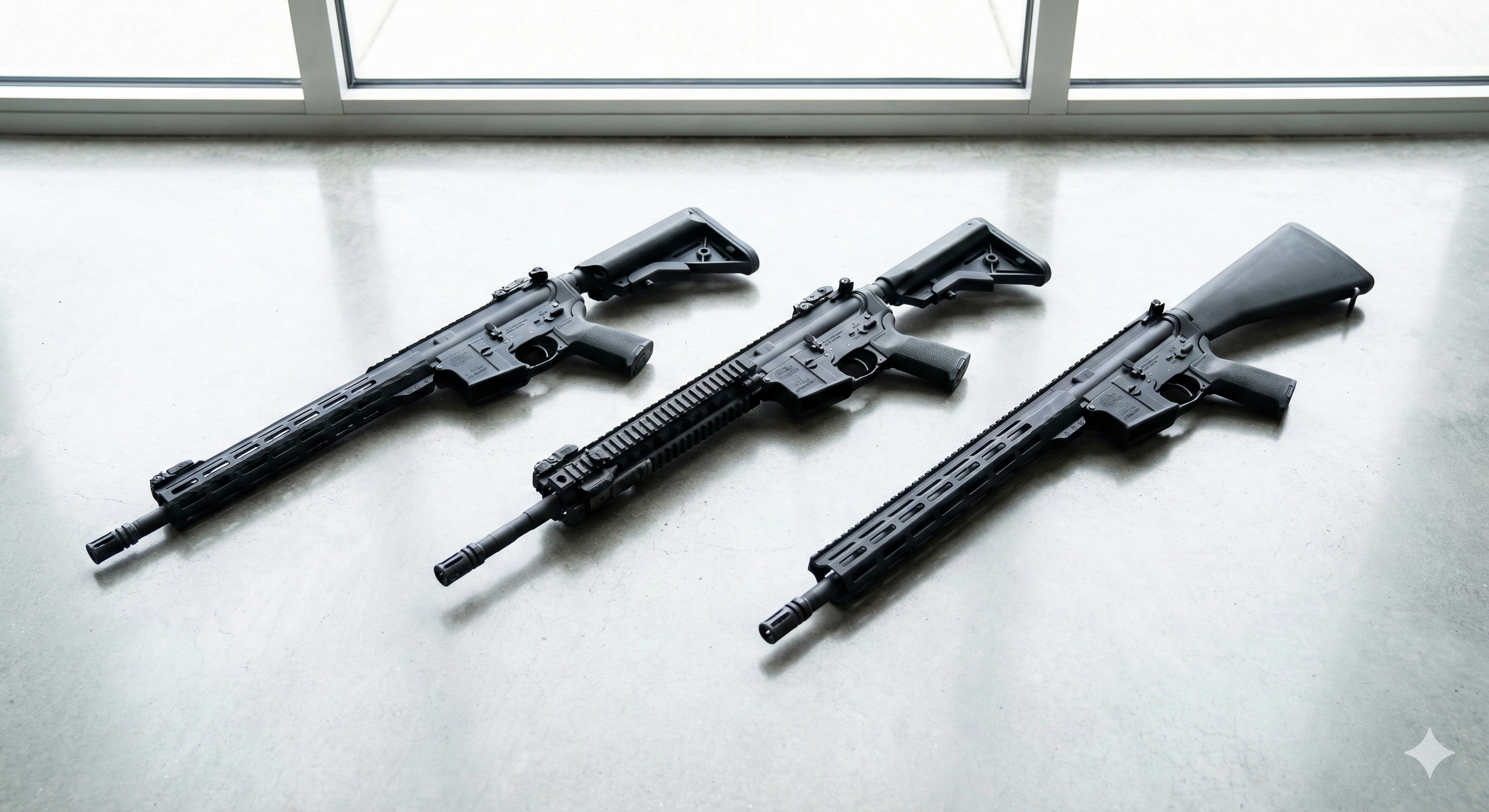
Entry-Level AR-15s Worth Buying
Posted by Joel Sheran on Jan 16th 2026
The market for AR-15 rifles has exploded over the past decade, and that's both good and bad news for first-time buyers. More options mean better competition and lower prices, but it also means wading through a sea of cheap builds that look great online and disappoint at the range.
The good news? You don't need to spend $1,500 to get a reliable and accurate AR-15. In the $500–$800 range, several manufacturers deliver genuine quality that will serve you well for years.
In this guide, we'll cover what separates a good budget AR from a cheap one, common mistakes first-time buyers make, and specific models worth your money. Let's cut through the noise.
What Separates a Good Budget AR from a Cheap One
Barrel Quality
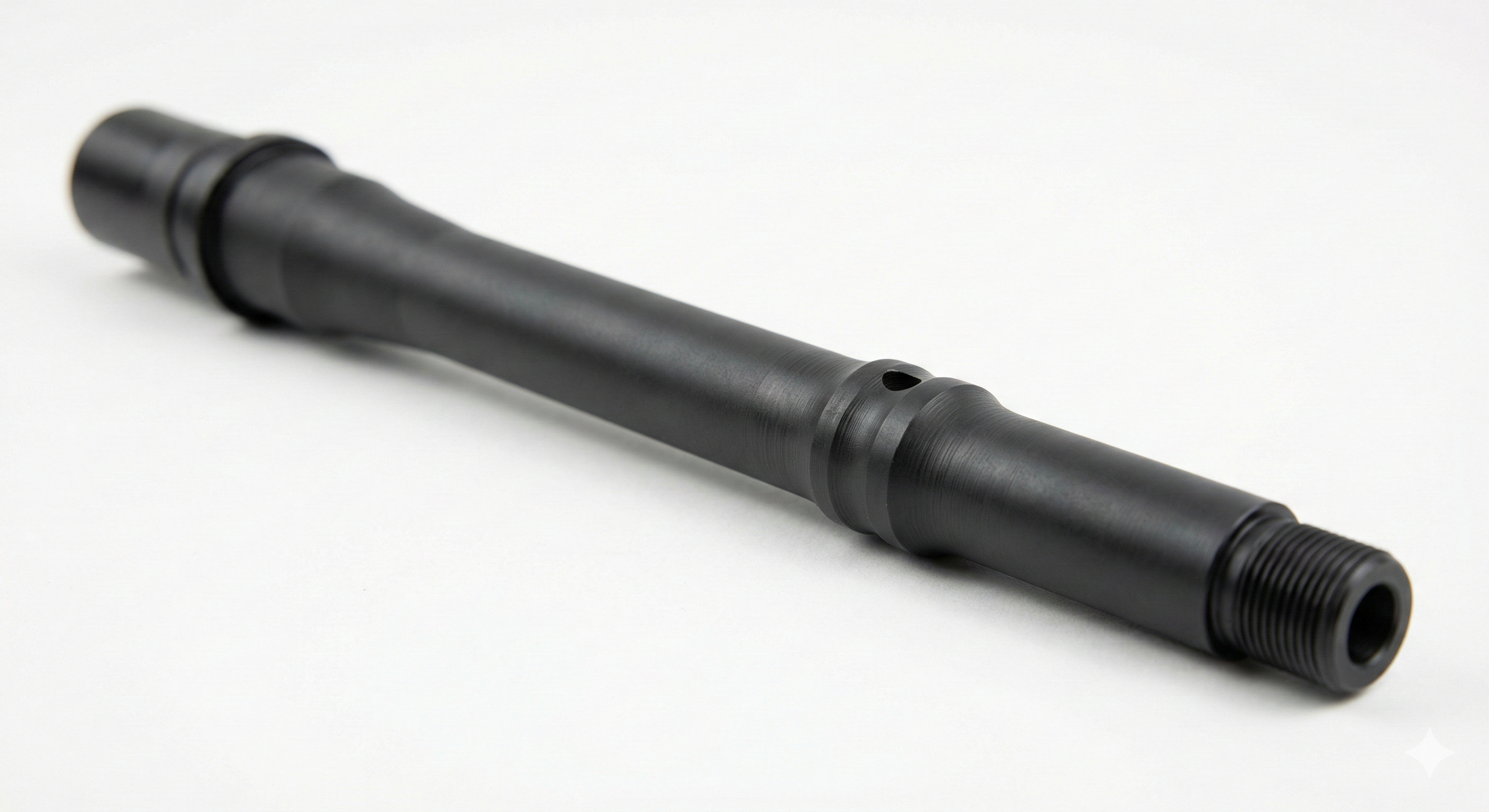
The barrel is where accuracy lives or dies. Look for 4150 CMV (chrome moly vanadium) stee as it's the industry standard for durability and heat resistance. Inferior steels wear faster and lose accuracy after fewer rounds.
Finish matters too. Chrome-lined barrels resist corrosion and extend barrel life, while nitride (Melonite) finishes offer similar protection with potentially better accuracy. Either works well.
A quality barrel maintains accuracy through thousands of rounds. A cheap barrel might shoot fine for a few hundred, then degrade quickly. This isn't the place to cut corners.
Bolt Carrier Group
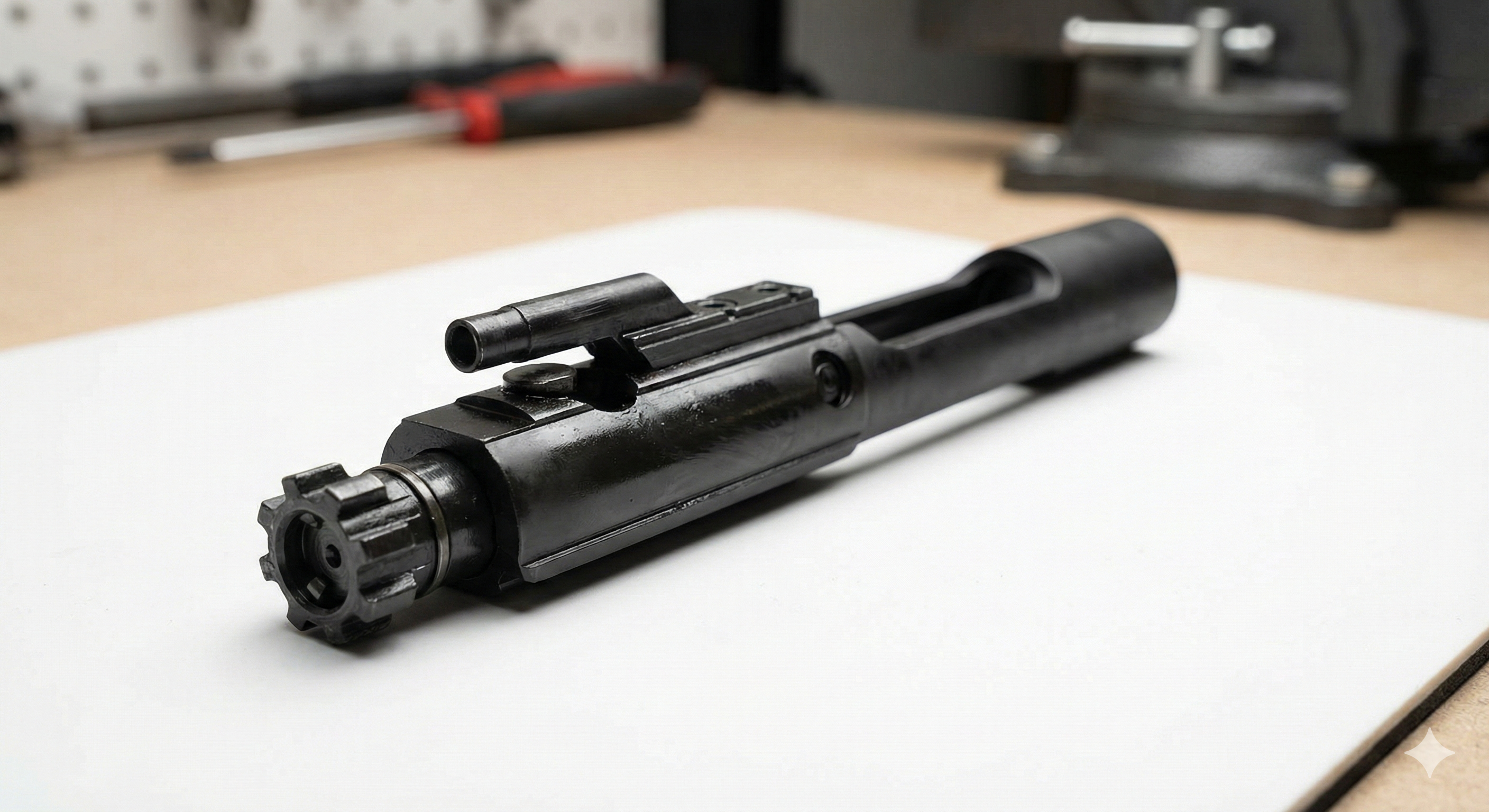
The bolt carrier group is the engine of your AR-15. It chambers rounds, fires them, and ejects casings. When it fails, your rifle becomes an expensive paperweight.
On quality BCGs, look for a properly staked gas key (the screws should be peened so they can't back out), and bolts that are MPI (magnetic particle inspected) and HPT (high pressure tested). These tests catch microscopic cracks and weaknesses before they become failures.
Coatings like phosphate or nitride add corrosion resistance and smoother cycling. Budget manufacturers sometimes skip testing or use subpar materials here, that's where reliability problems start.
Furniture and Ergonomics
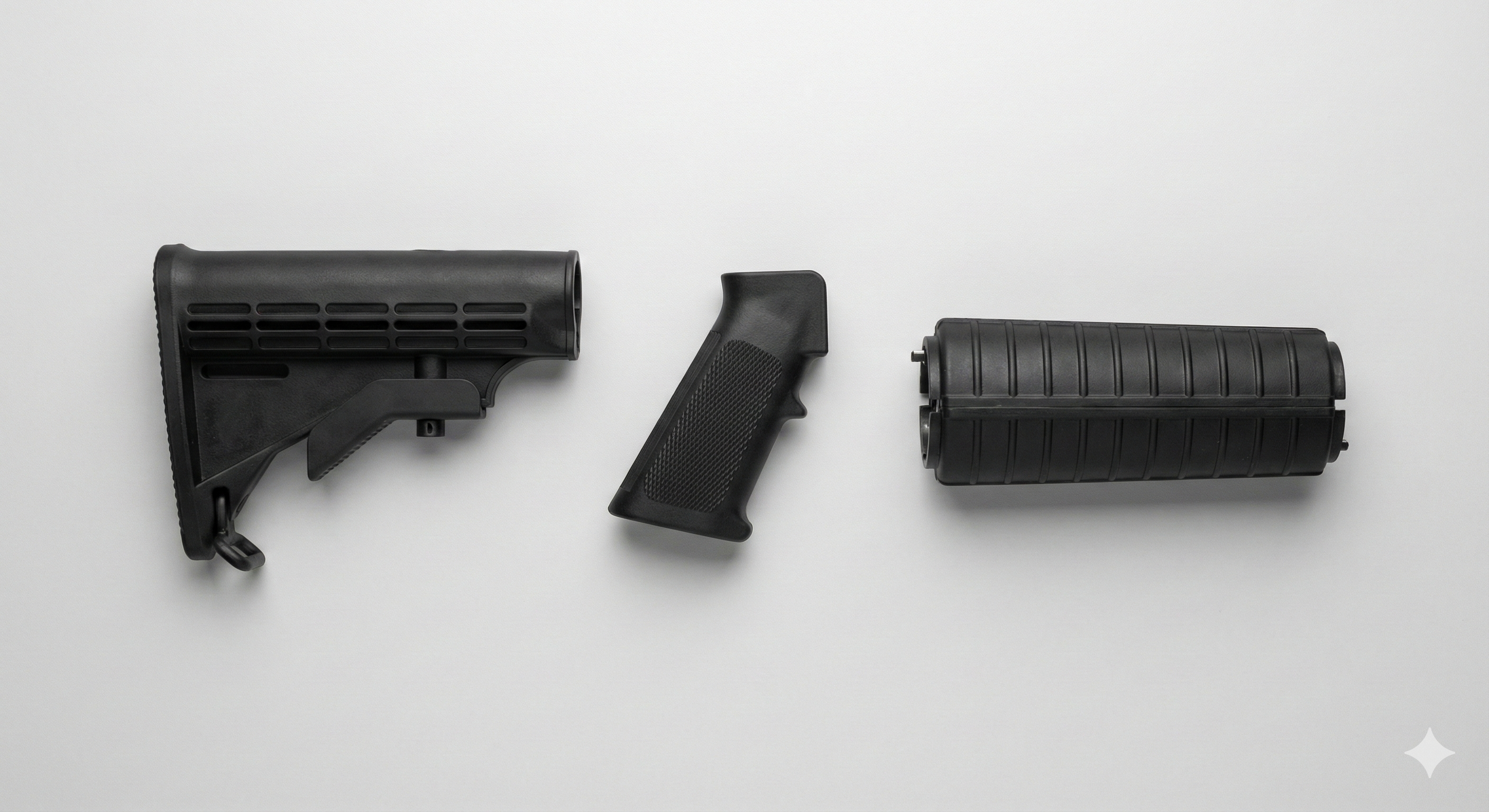
Budget AR-15s typically ship with basic mil-spec furniture: a standard buttstock, A2 grip, and plastic handguards. Nothing fancy, but perfectly functional.
Here's the thing, this is an acceptable place to save money. Stocks, grips, and handguards are easy to swap later as your preferences develop. A free-float handguard improves accuracy potential, but it's a nice-to-have, not a necessity at this price point.
Focus your budget on the barrel, BCG, and receivers. You can always upgrade the furniture down the road for $100–$200 when you know exactly what you want.
Common Mistakes First-Time Buyers Make
Prioritizing Accessories Over the Rifle
It's tempting to grab that $500 AR-15 package that comes with a red dot, foregrip, flashlight, and backup sights. Resist the urge.
Those bundled accessories are almost always cheap junk. The kind that break under recoil or fail when you need them. Worse, they're often masking a subpar rifle underneath. Manufacturers know flashy extras distract from corner-cutting on the parts that matter.
Buy the best base rifle your budget allows. Add quality accessories one at a time as you can afford them. You'll end up with a better setup that actually works.
Buying Unknown Brands
That no-name AR-15 priced $100 below the competition looks appealing. Be careful.
Lesser-known manufacturers occasionally deliver solid value, but the risk is real. Inconsistent quality control, nonexistent customer service, and proprietary parts that are impossible to replace. If something breaks or arrives out of spec, you're on your own.
Established brands like Smith & Wesson, Ruger, and Springfield have track records, warranties that mean something, and customer service that answers the phone. Saving $50 on a rifle you'll own for decades isn't worth the potential headache. Stick with names that have earned their reputation.
Based on my research, here are the updated sections reflecting the latest models:
Entry-Level AR-15s Worth Buying
Smith & Wesson M&P15 Sport III
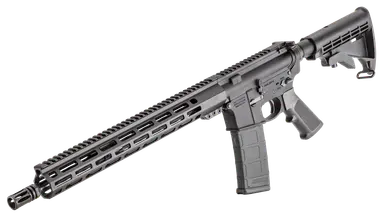
Smith & Wesson released the M&P15 Sport III in 2024 as the third generation of their popular Sport line that represents a significant upgrade over the Sport II while remaining competitively priced.
The Sport III features a 16-inch free-floated barrel with a mid-length gas system—a major improvement over the carbine-length system on previous models. Key upgrades include an Armornite-coated barrel with 5R rifling and a 1:8 twist, a 15-inch M-LOK handguard with full-length Picatinny rail, and forged 7075-T6 aluminum receivers.
S&W ditched the fixed front sight post that defined earlier generations, giving you a clean rail for mounting optics. The Sport III represents an incredibly solid value at the price, and the mid-length gas system provides smoother recoil impulse than the previous carbine-length setup. For most first-time buyers, this is the rifle to beat.
Ruger Harrier (Replaces AR-556)
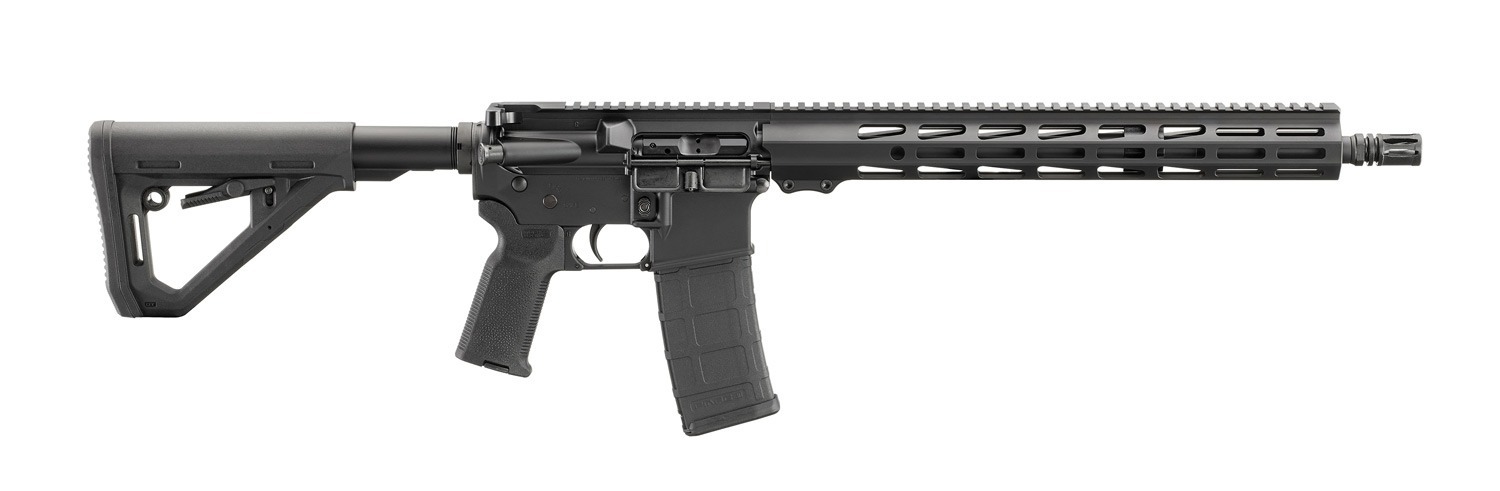
Ruger just dropped a brand new line of AR-15s at the tail end of 2025 called the Harrier, and it's the new entry-level model replacing the older AR-556.
The Harrier series has two models at release, both with 16-inch barrels and free-floated M-LOK handguards. The version with basic furniture (A2 grip, M4 waffle stock) has an MSRP of $699. Another model with Magpul furniture (K2 grip and DT carbine stock) lists for $749. The Magpul version also adds a full-length Picatinny top rail and a mid-length gas system.
Against the standard Ruger AR-556, the Harrier brings free-float M-LOK handguards, nitride finish, and better furniture for significantly less money. If you were considering an AR-556, the Harrier is the updated choice with better features at a competitive price.
Springfield Armory Saint
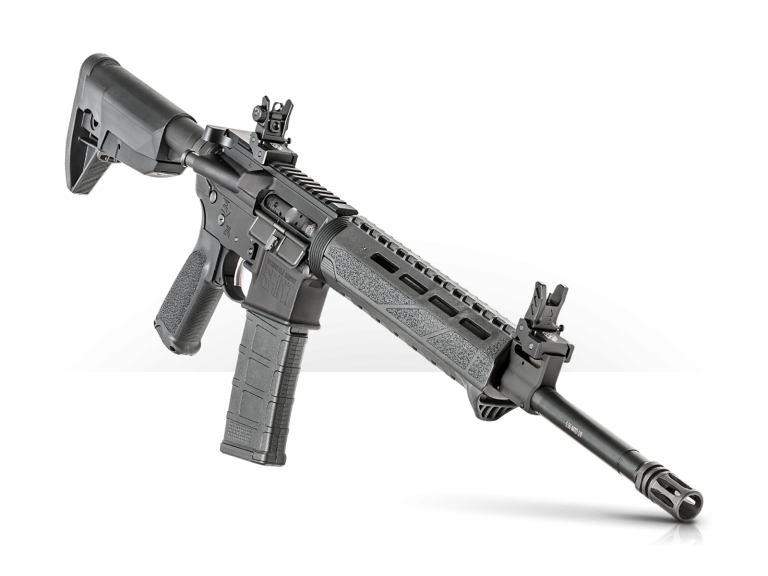
The Springfield Saint sits at the higher end of entry-level pricing. However, it earns that price with better factory components than most competitors in this class.
Every Springfield Saint includes quality components such as forged 7075-T6 aircraft aluminum receivers fitted using Springfield's Accu-Tite tension system. Base models include a slim profile Bravo Company M-LOK handguard, BCM Gunfighter Mod 3 grip, BCM Gunfighter Mod 0 stock, and a nickel boron coated trigger with a smooth, grit-free pull.
The SAINT rifle comes in two configurations, one with a pinned Picatinny railed gas block and flip-up front sight, the other with an A2-style front sight. Both are lightweight at 6 lbs., 11 oz. These are upgrades you'd typically add yourself on cheaper AR rifles, but Springfield includes them standard. The Saint is the "buy once, upgrade less" option for buyers who want a more complete package without venturing into mid-tier pricing.
The Verdict
There's no single "best" entry-level AR-15, but there are clear recommendations based on your priorities.
For most first-time buyers, the Smith & Wesson M&P15 Sport III or Ruger Harrier are the safest choices. Both offer proven reliability from established manufacturers, solid warranties, and good resale value if you decide to upgrade later. The Sport III's free-float handguard and mid-length gas system make it particularly compelling at its price point, while the Harrier delivers excellent value straight from the factory.
For those willing to stretch the budget, the Springfield Armory Saint ships with Bravo Company furniture and a nickel boron trigger that you'd otherwise add yourself. It's the "buy once, upgrade less" option.
One final note: budget for more than just the rifle. You'll need sights or an optic ($50–$200 for a decent red dot), a sling ($25–$50), and extra magazines ($15–$20 each). Factor in another $150–$300 on top of your rifle purchase to have a complete, functional setup.
If possible, handle these rifles in person before buying. Grip angle, stock length, and overall balance feel different to everyone. Trust your hands, make your choice, and get to the range.